You open a message from your crush: “My heart is yours 🔒.” Is that a romantic promise, a joke, or just a dramatic way of saying they are taken?
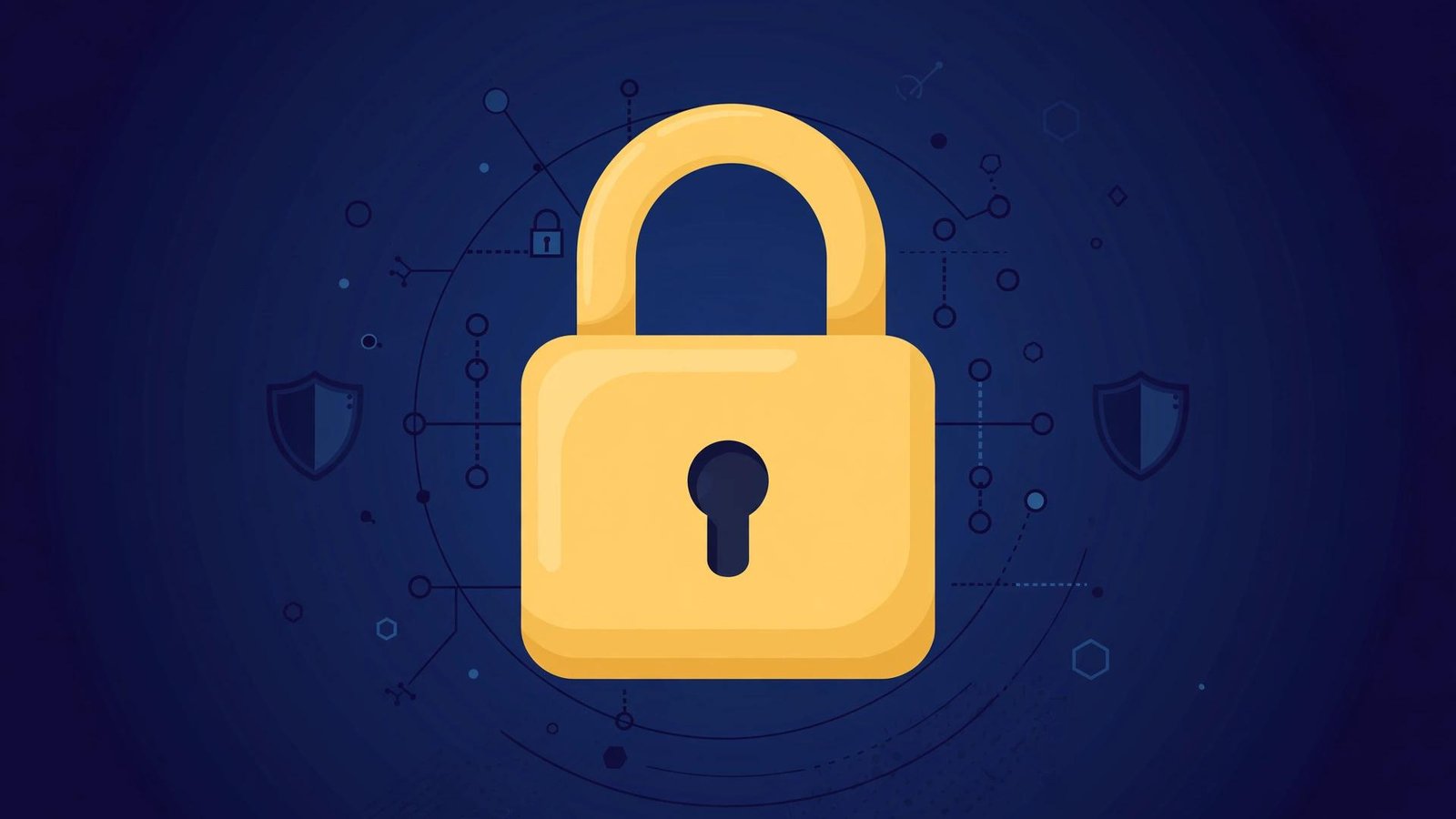
The locked emoji can mean all three. It shows a closed padlock, so people use it for secrets, security, commitment, and private things.
The symbol appears in flirty chats, friendship promises, funny “locked in” memes, and serious talk about privacy. Its exact emoji meaning changes with the words around it, the platform, and your relationship with the sender.
A locked emoji next to a password hint is literal. Next to a heart, it may say “I am committed.” Next to a sports photo, it can mean “I am locked in and focused.”
This guide covers the main locked emoji meanings in texts and on social apps, plus emoji combinations, copy-and-paste options, similar symbols, platform differences, common mistakes, and examples. The key idea is easy: read the words around 🔒 before deciding what it means.
What does the locked emoji mean?
The locked emoji 🔒 mainly means something locked, private, or secure. It shows a closed padlock, used for secrets, passwords, privacy, commitment, and closed doors.
It can also be symbolic: a sealed promise, a heart that is taken, or someone “locked in” and focused. For example, “My lips are sealed 🔒” means a secret is safe.
Common examples include:
- “I changed my password 🔒” — a literal, practical use.
- “My heart is taken 🔒❤️” — romantic commitment.
- “Game day. I am locked in 🔒” — focus and determination.
- “This stays between us 🔒” — privacy and trust.
Different meanings of the locked emoji
General meaning
🔒 stands for locked, closed, private, or secure. It fits passwords, accounts, secrets, doors, and anything that needs protection.
Romantic meaning
In a romantic chat, it can mean “I am committed” or “my heart is locked on you.” Beside ❤️ or 😘, it may sound serious and sweet. It can also mean someone is taken and not available.
Friendly meaning
Friends use 🔒 for sealed promises and shared secrets. “Locked in for Friday 🔒” means plans are confirmed. It can also mean loyalty: “You have my word 🔒.”
Funny meaning
In memes and jokes, 🔒 can mean someone is “locked in” — extremely focused, often on something silly. It can also joke about being locked out: “Forgot my password again 🔒😭.”
Sarcastic meaning
The padlock can add fake secrecy to a joke. “Totally not gossiping 🔒” usually means gossip is happening. Tone and earlier messages reveal the joke.
Social media meaning
On social media, 🔒 often signals privacy: a private account, a locked bio, or exclusive content. In captions it can also mean “locked in” on a goal or a grind.
Text message meaning
In texts, it usually means a secret, a confirmed plan, a password, or commitment. Romance talk suggests an emotional meaning, while tech talk suggests a literal one.
Workplace meaning
At work, 🔒 may mean a locked file, restricted access, security, or a finalized decision. Keep it to casual team chats. In formal security messages, plain words are safer.
When should you use the locked emoji?
Use 🔒 when you want to signal privacy, commitment, focus, or something sealed. Good situations include:
- Keeping a secret: “I won’t tell anyone 🔒”
- Confirming plans: “Dinner Friday? Locked in 🔒”
- Showing commitment: “All in on this relationship 🔒❤️”
- Talking about security: “Two-factor is on 🔒”
- Posting a private account note: “Finsta is locked 🔒”
- Showing focus: “Exam week. Locked in 🔒📚”
- Sealing a promise: “You have my word 🔒”
- Making a playful vow: “No spoilers, I promise 🔒🤫”
Avoid it for serious, sad, or formal topics unless the tone already fits. A padlock after bad news may seem cold, and clear language beats an emoji in urgent security matters.
What does the locked emoji mean from a girl?
From a girl, 🔒 may mean privacy, a sealed promise, or romantic commitment. “My heart is locked 🔒” is serious, while “Locked in for tonight 🔒” confirms plans.
In a flirty chat, hearts or pet names add romance: “Only yours 🔒❤️.” Look at her words and your relationship rather than gender alone.
What does the locked emoji mean from a boy?
From a boy, 🔒 can mean commitment, focus, or secrecy. “Locked in 🔒” often means he is focused. “Your secret is safe 🔒” shows trust.
Beside ❤️ or clear praise, romance is more likely. In a gaming or sports chat, it probably means focus. Context matters more than gender.
Locked emoji on Snapchat
On Snapchat, a lock icon has a special job: it marks a private story that only chosen friends can see. When someone sends 🔒 in a chat, it usually means privacy or secrecy.
It can also fit snaps about being “locked in” on a goal.
Locked emoji on WhatsApp
Among WhatsApp emojis, 🔒 fits talk about privacy, passwords, and secrets. “Changed my PIN 🔒” is literal; “This stays between us 🔒” shows trust.
WhatsApp highlights end-to-end encryption, so the padlock can also nod to private chats. The design may differ across apps, but its meaning stays the same.
Locked emoji on Instagram
Instagram emojis create a visual mood. 🔒 fits bios of private accounts, “locked in” captions, and posts about goals: “Locked in on my goals 🔒✨.”
In comments, it can mean loyalty or secrecy — usually light emphasis, not a secret code.
Locked emoji on TikTok
TikTok emojis change with trends, but 🔒 often marks “locked in” videos — creators showing intense focus on fitness, study, or a challenge.
It can also signal exclusive or private content, so check the audio, caption, hashtags, and comments before assuming a fixed message.
Emoji combinations
Here are easy emoji combinations that make 🔒 more specific:
| Emoji combination | Meaning |
|---|---|
| 🔒❤️ | Committed love |
| 🔒😘 | Sealed with a kiss |
| 🔒🤫 | Secret kept quiet |
| 🔒🤐 | Lips are sealed |
| 🔒📱 | Phone is locked |
| 🔒🔑 | Locked, but you have the key |
| 🔒💪 | Locked in and strong |
| 🔒📚 | Locked in on studying |
| 🔒🏋️ | Locked in on fitness |
| 🔒💼 | Work is finalized |
| 🔒🔐 | Extra security |
| 🔒⛓️ | Tightly bound promise |
| 🔒🙈 | Secret I cannot share |
| 🔒✨ | A special, private bond |
| 🔒🚪 | Door is locked |
| 🔒💯 | Fully committed |
Copy and paste locked emoji
Tap or select the symbol you want, then copy it into a text, caption, bio, or comment.
- `🔒` Copy
- `🔒🔒` Copy
- `🔒❤️` Copy
- `🔒✨` Copy
- `🔒🔑💯` Copy
- `🤫🔒🤐` Copy
- `🔒📚💪` Copy
- `Locked in 🔒` Copy
This copy and paste emoji is the Unicode character U+1F512. The receiving device draws its own version of the same character.
Similar emojis
| Emoji | Name | Meaning | Difference |
|---|---|---|---|
| 🔓 | Open Lock | Unlocked, open | Opposite: the shackle is open |
| 🔐 | Closed Lock with Key | Secure, with key | Adds a key; implies access |
| 🔑 | Key | Access, solution | Opens locks; a tool, not a lock |
| 🗝️ | Old Key | Vintage key, clue | Decorative; mystery or escape rooms |
| 🔏 | Lock with Ink Pen | Privacy, signing | Niche: documents and contracts |
| ⛓️ | Chains | Bound, linked | Restriction, not security |
| 🤐 | Zipper-Mouth Face | Keeping a secret | A person staying silent |
| 🤫 | Shushing Face | Be quiet, secret | Asks for silence |
| 🙊 | Speak-No-Evil Monkey | Won’t tell | Playful secrecy |
| 🛡️ | Shield | Protection, defense | Guards against harm |
| 📵 | No Mobile Phones | Phones off-limits | A rule, not privacy |
| 🚫 | Prohibited | Not allowed | General ban |
Emoji appearance across platforms
Unicode defines the character, but each company draws its own artwork. The padlock’s body, shackle shape, color, and details can change.
- Apple: A metallic gray padlock with a rounded body and soft shading.
- Android/Google: Google’s padlock style with its own colors and proportions.
- Samsung: Samsung’s own closed-lock style; updates may alter details.
- Windows/Microsoft: Often flatter, with stronger outlines than mobile designs.
- Facebook: Custom artwork that has changed across versions.
- WhatsApp: Its own padlock artwork, with small color and detail differences.
The code remains U+1F512 on every platform. If design details matter, compare the current versions on the actual devices.
Fun facts
- Its official Unicode name is Locked. Not “padlock” simply “Locked.”
- Its code point is U+1F512. That is its permanent Unicode address.
- It arrived with Unicode 6.0 in 2010. That release added many classic emoji.
- It joined Emoji 1.0 in 2015. This helped standardize it across platforms.
- It has an opposite: 🔓. The open lock shows the shackle released, flipping the meaning.
- “Locked in” is internet slang for being fully focused and committed, common in sports and study posts.
- Snapchat uses a real lock icon to mark private stories visible only to chosen friends.
- Its artwork is not universal. Apple, Google, Samsung, Microsoft, Facebook, and WhatsApp each draw the padlock differently.
Common mistakes
Assuming it always means romance: Beside a heart, 🔒 can mean commitment. Alone, it often means privacy, security, or focus.
Confusing it with 🔐: 🔒 is a plain closed lock. 🔐 shows a lock with a key, which suggests access.
Mixing it up with 🔓: 🔓 is the open lock nearly the opposite meaning. Check the shackle before reading a message.
Reading too much into the sender’s gender: Gender does not change its meaning automatically. Conversation and relationship matter more.
Thinking it means “blocked”: 🔒 does not mean you are blocked on social apps. Blocking has its own symbols and settings.
Using it in serious security alerts: In a formal security warning or urgent message, a padlock emoji may feel light. Use clear language when the stakes are high.
How to Reply When Someone Sends You the Locked Emoji
Replies to the locked emoji go wrong when people answer the picture instead of the person. The sender chose it for a reason, and that reason is almost always sitting in the conversation around it, so use those clues first and keep your first reply short.
For a friend: a relaxed, good humored answer is usually right. Friends send this emoji casually, and a casual reply keeps the exchange easy.
For someone you like: a warmer reply is safe when the chat is already warm. Keep it kind and simple, and let their next message set the pace.
For a serious moment: slow down and answer with care. If the emoji is carrying real frustration, sadness, or stress, a supportive sentence matters far more than a clever one.
When you cannot tell: say so lightly and ask what they mean. An honest question is never the wrong reply, and it often gets a better conversation started.
FAQs:
What does the locked emoji mean in texting?
In texting, 🔒 most often means something is private, secure, or sealed a secret, a password, or a confirmed plan. It can also mean romantic commitment or being “locked in” and focused. Read the nearby words first. Tech talk is likely literal, while a heart beside it suggests emotion.
Is the locked emoji flirty?
It can be flirty, but not always. 🔒 feels romantic beside a heart, kiss, pet name, or a line like “my heart is yours,” and it can mark someone as taken. In a password chat, study post, or “locked in” gym caption, it has nothing to do with flirting.
What does 🔒 mean from a girl?
From a girl, 🔒 often means privacy, a sealed promise, or commitment. “Locked in for tonight 🔒” confirms plans, while “my heart is locked 🔒❤️” sounds romantic. It can also mean she is keeping a secret. Her words and your relationship give the real answer.
What does 🔒 mean on Snapchat?
On Snapchat, a lock symbol marks a private story that only selected friends can view. If someone sends 🔒 in a chat, it usually means secrecy or privacy instead. It can also mean being “locked in” on a goal. Check the snap, caption, and your usual tone to be sure.
What is the difference between 🔒 and 🔓?
The 🔒 emoji shows a closed padlock with the shackle shut: locked, private, or secure. The 🔓 emoji shows an open padlock with the shackle released: unlocked, open, or freed. They are near opposites, so check the shackle shape before reading a message.
Can I use the locked emoji at work?
Yes, in casual workplace chats. It works for locked files, finalized decisions, or security reminders. For example, “Doc is locked for edits 🔒” is clear. Skip it in formal reports, incident alerts, or urgent messages where a playful tone could distract from the actual information.
Why does the locked emoji look different on my phone?
Your phone or app draws the Unicode character using its own emoji artwork, so Apple, Google, Samsung, Microsoft, Facebook, and WhatsApp can choose different padlock colors, shackle shapes, and shading. You still send the same U+1F512 character: a closed lock.
How do I copy and paste the locked emoji?
Select this symbol: 🔒. Choose Copy, tap where you want it, and choose Paste. You can use it in texts, captions, comments, profiles, and documents that support emoji. If it appears as an empty box, the device or font may lack proper support.
Locked Emoji Appearance on Different Platforms
Unicode defines the character, but each company draws its own artwork. The padlock body, shackle shape, color, and details can change.
- Android and Google: Google padlock style with its own colors and proportions.
- Samsung: Samsung own closed-lock style; updates may alter details.
- Windows and Microsoft: Often flatter, with stronger outlines than mobile designs.
- Facebook: Custom artwork that has changed across versions.
Locked Emoji in Privacy and Digital Safety Talk
In digital safety talk, the locked emoji has become a quick visual shorthand for protection. People use it when they mention passwords, private accounts, two factor authentication, encrypted chats, and locked files, and readers instantly understand that the topic is security. A message that says two factor is on, followed by a padlock, feels reassuring, while a message about a locked document tells colleagues that edits are closed. The symbol works because a padlock is one of the clearest security images in everyday life.
It should never replace clear safety instructions, however. In a real security warning, a phishing alert, or an urgent account problem, plain words matter far more than a symbol. A padlock can suggest safety even when a link or message is unsafe, so readers should always check the sender, the address, and the request itself before trusting a locked label. Writers can help by pairing the emoji with a concrete action, such as change your password, check your settings, or confirm the sender, so the message guides readers instead of merely decorating the topic.
- Use it for passwords, private accounts, locked files, and completed security steps.
- Pair it with a concrete action, so readers know exactly what to check or change.
- Never use it alone for urgent warnings, where clear words and official channels are essential.
- Remember that a padlock in a message does not prove a link or account is genuinely safe.
Locked Emoji for Goals, Habits, and Locked In Focus
The phrase locked in has given the padlock emoji a second life as a focus symbol. Athletes, students, creators, and workers use it to say they are fully committed to a goal, with distractions shut out and attention fixed. A gym caption that says locked in for the week, a study post that says exam mode locked in, and a work update that says project locked in all use the same idea. The padlock no longer means a closed door, it means a closed mind to distraction and an open commitment to the task.
This use works best when the goal is named. A vague locked in post can feel like a boast, while a specific post about a training plan, a revision schedule, or a launch date feels motivating and real. It also helps to show progress over time, because a single locked in post is a promise, while repeated updates show discipline. Friends often respond with encouragement, which turns the emoji into social accountability as well as a personal statement. That accountability is why the symbol has become so popular in fitness and study communities.
- Name the goal beside the padlock, so readers know what you are locked in on.
- Share progress updates, because follow through makes the focus claim believable.
- Use it for habits, training, study, and launches, where commitment is the real message.
- Keep the tone encouraging, so the post motivates others instead of sounding like a boast.
Frequently Asked Questions About the Locked Emoji
Does the locked emoji mean blocked? No, it does not mean blocked. Blocking has its own settings and symbols on each app. The padlock usually means private, secure, committed, or focused, so check the words around it before assuming a block.
Can it mean a secret? Yes, it often means a secret kept safe, a sealed promise, or a private plan. A message such as this stays between us, followed by a padlock, is a clear promise of discretion.
Is it romantic or practical? It can be either. Beside a heart it often means romantic commitment, while beside a password, file, or study plan it means practical security or focus. The surrounding topic decides the reading.
Should I use it in a formal security message? No, use plain words for formal security messages, incident alerts, and urgent warnings. The padlock is fine for casual reminders, but serious safety information needs clear language.
Locked Emoji for Secret Santa and Surprise Party Plans
Surprise parties live or die on secrecy, and the lock has become the perfect symbol for a plan that must stay hidden. A group chat message such as secret Santa names are locked in with this symbol tells everyone that the draw is done and the secret is safe, without naming a single recipient. Organisers use it to mark each step, from the budget, to the date, to the meeting point, so the whole group can follow the plan while the guest of honour stays in the dark. The symbol works because it promises silence, and a surprise is only fun when that promise holds.
The same trick helps when a gift list or a party playlist needs protection from prying eyes. A message such as gift ideas locked until the big day keeps curious friends from spoiling their own surprise, while still letting them add suggestions to a shared list. The key is to pair the lock with one clear instruction, like the time or the place, so nobody misses the party while trying to protect it. A locked plan with clear logistics is a gift to the organiser, because it turns secrecy into smooth teamwork rather than confused silence.
Locked Emoji in Study Focus and Do Not Disturb Messages
Students have adopted the lock as a friendly do not disturb sign, because it says focused without sounding rude. A status such as locked in for exams with this symbol tells friends that replies will be slow, and it invites respect rather than interruption. Study groups use it to mark deep work sessions, where phones go away and the chapter gets full attention. The symbol helps because it frames focus as a positive choice, not as ignoring friends, and most friends understand that a locked in student will reply properly later.
The habit works best when the lock comes with a return time, so friends know when the silence ends. A message such as locked in until six, then free for calls gives everyone a clear boundary and removes the worry of an unanswered text. Workers use the same pattern for deadlines, parents use it for nap time, and creators use it for editing days. In each case, the lock is not a wall, it is a polite door sign that says important work is happening and a proper reply is coming soon.
Locked Emoji Questions Readers Ask Most
Does the locked emoji mean a secret? Often, yes. It can mean a secret, privacy, security, or focus, and the surrounding words decide which one fits. A party plan points to secrecy, while a study post points to focus.
Is it rude to use it as a do not disturb sign? No, when it comes with a return time and a kind tone. A bare lock with no explanation can feel cold, so add one short sentence about when you will be back.
What is the difference between the locked and unlocked emoji? The locked emoji means closed, private, or secured, while the unlocked emoji means open, available, or revealed. Use the locked one for secrets and the unlocked one for announcements.
Conclusion:
The locked emoji 🔒 can mean privacy, security, a sealed promise, romantic commitment, or being “locked in” and focused depending on the words, relationship, platform, and tone.
Use 🔒 for secrets, confirmed plans, security talk, private accounts, and light commitment, and pair it with other emojis for clarity.
In serious conversations, choose plain words. With the right context, the locked emoji keeps your message sealed tight.

I’m Ava Richardson, a passionate writer and author at Outrexora.com, where I share engaging, informative, and easy-to-understand content on the latest news, insights, and trends. My goal is to bring readers useful information in a clear and enjoyable way.