True Emoji ✅: Meaning, Uses, and Copy-Paste Guide
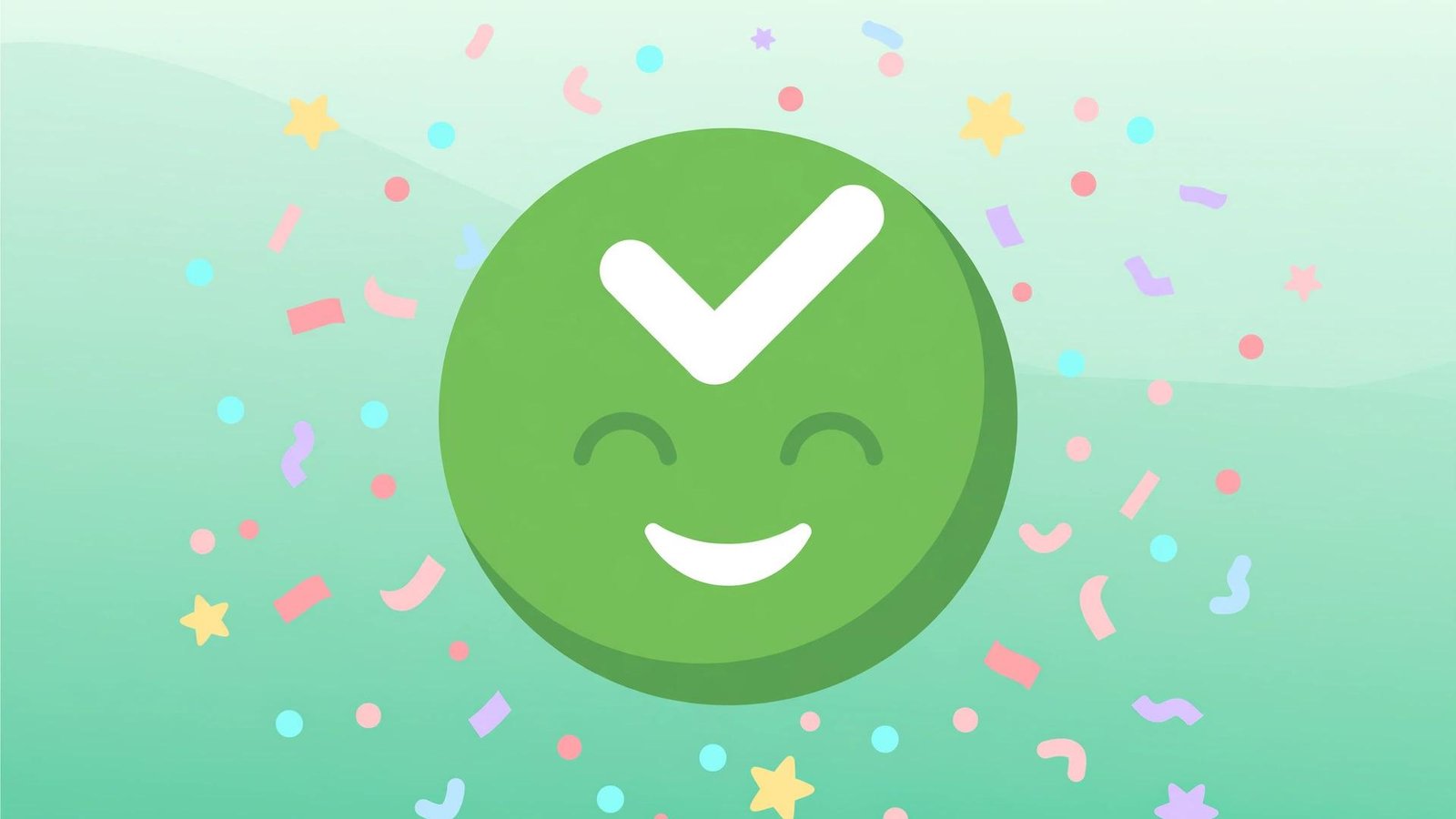
Your friend sends a big green check mark after your message: “That’s exactly right ✅.” Is there really a true emoji on your keyboard? Not exactly. There is no official Unicode symbol named “true emoji.” When people type or search for it, they almost always mean ✅ — the check mark button (U+2705, officially called “Check Mark Button”).
This little green badge is the symbol of “correct,” “yes,” and “confirmed.” People use it to say something is true, agree with a statement, or mark a task as done. Its exact emoji meaning can change with the context, the platform, and the conversation. A ✅ after a fact probably means “true.” After a question, it may mean “yes” or “confirmed.”
This guide explains the main true emoji meanings in texts and on social apps. You will also find emoji combinations, copy-and-paste options, similar symbols, platform differences, common mistakes, and simple examples. The key idea is easy: read the words around ✅ before deciding what it means.
—
What does the true emoji mean?
The true emoji ✅ mainly means “true,” “correct,” or “agreed.” People use it to confirm a statement, answer yes, or show that something is done. Its bold green badge design makes it feel positive, official, and trustworthy.
It can also mean “all good,” “approved,” or “check.” For example, “You’re right ✅” feels firm and friendly, while “Done ✅” marks a task as finished. In text meaning terms, it is one of the clearest symbols on the keyboard.
Common examples include:
- “Exactly, that’s the answer ✅” — confirmation.
- “Did you finish the homework? ✅” — yes, it’s done.
- “You were right about the plan ✅” — agreement.
- “Approved ✅” — a workplace approval.
Different meanings of the true emoji
General meaning
✅ stands for true, correct, yes, done, or approved. It fits answers, confirmations, to-do lists, polls, and fact-checks.
Romantic meaning
In a romantic chat, it can say “you’re right, my love” or confirm plans. Beside ❤️ or 😘, it feels warm and approving rather than cold.
Friendly meaning
Friends use ✅ to agree or confirm. “Meet at 5? ✅” is a quick, friendly yes.
Funny meaning
It can joke about being right: “Told you so ✅😂.” The check mark makes the teasing feel light, not serious.
Sarcastic meaning
A ✅ can mock a false claim. “Oh sure, that’s totally true ✅🙄” means the opposite of what it says.
Social media meaning
On social media, ✅ marks verified facts, correct answers, completed challenges, or finished tasks in captions.
Text message meaning
In texts, it usually means yes, correct, or done. The question or claim before it tells you which meaning applies.
Workplace meaning
At work, ✅ means approved, completed, or confirmed. It is one of the most natural emojis for professional chats.
—
When should you use the true emoji?
Use ✅ when you want to confirm, agree, or mark something as complete. Good situations include:
- Confirming a fact: “Yes, that’s true ✅”
- Answering yes: “Are you coming? ✅”
- Marking a task done: “Report sent ✅”
- Approving a plan: “Looks good, approved ✅”
- Winning a debate: “See? I was right ✅😄”
- Voting in a poll: “Option A ✅”
- Checking in: “Arrived safe ✅”
- Celebrating a quiz score: “100% ✅🎉”
Avoid using ✅ when the topic is sensitive or sad. A green check mark after bad news may look cold or careless. In emotional talks, use words instead.
What does the true emoji mean from a girl?
From a girl, ✅ may mean yes, correct, or done. “You were right ✅” is agreement, while “I’m ready ✅” is confirmation.
In a flirty chat, it can feel encouraging: “You’re cute ✅😉.” Look at her words and your relationship rather than gender alone.
What does the true emoji mean from a boy?
From a boy, ✅ can mean agreement, approval, or a completed task. “True ✅” is simple agreement; “Done ✅” means he finished something.
Beside 😏, 🔥, or a joke, it may be playful. In a group chat, it often means a vote or confirmation. Context matters more than gender.
—
True emoji on Snapchat
On Snapchat, ✅ fits snaps about quiz answers, finished tasks, or completed challenges. It can confirm a plan quickly in chat.
It is not a standard Snapchat friendship-status symbol. Read a private use from the snap, caption, and your usual tone.
True emoji on WhatsApp
Among WhatsApp emojis, ✅ fits confirmations, polls, and task lists. “Package received ✅” is literal; “You’re right ✅” shows agreement.
The design may differ from other apps, but its basic meaning stays the same.
True emoji on Instagram
Instagram emojis create a visual mood. ✅ fits captions about goals met, facts, verified info, and challenge results: “New record ✅🔥.”
In comments, it can mean “true” or “agreed.” One symbol is usually clear support, not a secret code.
True emoji on TikTok
TikTok emojis change with trends, but ✅ often marks true facts, correct guesses, completed dares, and “pov you were right” clips.
A trend can add an inside meaning. Check the audio, caption, hashtags, and comments before assuming a fixed message.
—
Emoji combinations
Emoji combinations make the true emoji more specific. Here are easy ways to use it:
| Emoji combination | Meaning |
|---|---|
| ✅❤️ | True love |
| ✅😍 | Yes, absolutely love it |
| ✅😂 | Funny and true |
| ✅🙌 | Agreed, celebrate it |
| ✅🔥 | That’s so true |
| ✅💯 | Completely correct |
| ✅👍 | Yes, approved |
| ✅🎉 | Mission accomplished |
| ✅✔️ | Double confirmation |
| ✅📋 | Task checked off |
| ✅💼 | Work approved |
| ✅🏆 | Correct answer, you win |
| ✅✨ | Magical confirmation |
| ✅🙄 | Sarcastic agreement |
| ✅😉 | Playful “you’re right” |
| ✅📝 | Quiz answer confirmed |
| ✅📦 | Order received |
| ✅🚗 | Arrived, all good |
Copy and paste true emoji
Tap or select the symbol you want, then copy it into a text, caption, bio, or comment.
- `✅` Copy
- `✅✅` Copy
- `✅✔️` Copy
- `✅❤️` Copy
- `✅💯🔥` Copy
- `🎉✅🏆` Copy
- `📋✅📝` Copy
- `That’s true ✅` Copy
This copy and paste emoji is the Unicode character U+2705. The receiving device draws its own version of the same character.
Similar emojis
| Emoji | Name | Meaning | Difference |
|---|---|---|---|
| ✔️ | Check mark | Correct, yes | Simpler mark, no green box |
| ☑️ | Check box with check | Checked item | Checkbox style, less bold |
| 💯 | Hundred points | Perfect score | Stronger praise, not just true |
| 👍 | Thumbs up | Approval, okay | A gesture, less formal |
| 👌 | OK hand | All good, perfect | Casual gesture of approval |
| ☝️ | Index pointing up | Point number one | Points, does not confirm |
| 🆗 | OK button | Okay, fine | Blue button with letters |
| ⭕ | Heavy large circle | Correct in Japan | Circle, not a check |
| ❌ | Cross mark | Wrong, no | The opposite meaning |
| ❎ | Cross mark button | Not correct | Negative version of a button |
| 🟢 | Green circle | Go, positive | A color dot, no check |
| 🔍 | Magnifying glass | Fact-checking | The action, not the verdict |
Emoji appearance across platforms
Unicode defines the character, but each company draws its own artwork. Color, box shape, check style, and shading can change.
- Apple: A green rounded square with a bold white check mark and soft gloss.
- Android/Google: A green badge with Google’s own check shape and flat shading.
- Samsung: The same check mark idea in Samsung’s illustration style; updates may alter details.
- Windows/Microsoft: Often uses stronger outlines and flatter shapes than mobile designs.
- Facebook: Uses custom artwork that has changed across versions.
- WhatsApp: Uses its own check mark artwork, with small color and box differences.
The code remains U+2705 on every platform. If design details matter, compare the current versions on the actual devices.
—
Fun facts
- There is no official Unicode name “True Emoji.” The symbol people mean is called “Check Mark Button.”
- Its code point is U+2705. That places it in the Dingbats block, not the main emoji blocks.
- It has been in Unicode since version 6.0. That version was released in 2010.
- It joined Emoji 1.0 in 2015. This helped standardize its use as an emoji character.
- The green box copies real-world check marks. Paper forms and tests have used green checks for decades.
- It is popular in group chats. Polls, votes, and to-do lists love a quick ✅.
- Its artwork is not universal. Platforms interpret the same Unicode character with different green shades and check shapes.
- It works without words. In a chat about a plan, a lone ✅ can stand in for “yes,” “true,” or “done.”
Common mistakes
Believing “true emoji” is a real Unicode name: No emoji is officially called that. People mean ✅, the check mark button, when they say it.
Assuming it always means “true”: It can mean yes, done, approved, or received. The sentence before it decides.
Reading too much into the sender’s gender: The meaning does not change automatically when it comes from a girl or boy. Conversation and relationship matter more.
Ignoring sarcasm: A check mark beside eye-roll words can mean the opposite. Check whether the words and situation match.
Confusing it with ✔️: ✅ is a white check on a green button; ✔️ is a plain check mark. Both suggest correctness, but ✅ looks bolder and more “official.”
Using it in emotional messages: A green badge can feel cold beside sad or sensitive news. Use clear, kind words when the stakes are high.
—
How to Reply When Someone Sends You the True Emoji
Replies to the true emoji go wrong when people answer the picture instead of the person. The sender chose it for a reason, and that reason is almost always sitting in the conversation around it, so use those clues first and keep your first reply short.
For a friend: a relaxed, good humored answer is usually right. Friends send this emoji casually, and a casual reply keeps the exchange easy.
For someone you like: a warmer reply is safe when the chat is already warm. Keep it kind and simple, and let their next message set the pace.
For a serious moment: slow down and answer with care. If the emoji is carrying real frustration, sadness, or stress, a supportive sentence matters far more than a clever one.
When you cannot tell: say so lightly and ask what they mean. An honest question is never the wrong reply, and it often gets a better conversation started.
Frequently asked questions
What does the true emoji mean in texting?
In texting, the true emoji ✅ most often means “true,” “correct,” “yes,” or “done.” Read the nearby words first. After a claim, it confirms truth; after a question, it answers yes; after a task, it marks completion.
Is the true emoji a real emoji?
There is no Unicode emoji officially named “true emoji.” People who say it almost always mean ✅, officially the Check Mark Button (U+2705). It is the closest and most widely understood symbol for “true.”
What does ✅ mean on social media?
On social media, ✅ often marks true facts, correct answers, completed challenges, verified info, and finished goals. Instagram emojis and TikTok emojis gain meaning from the photo, video, audio, hashtags, and comments around them.
Does ✅ mean “I agree with you”?
Yes, it can. Someone may reply ✅ to show agreement with a statement, opinion, or plan. Still, it can also mean done, approved, or received. The message and your relationship with the sender provide the clearest answer.
What is the difference between ✅ and ✔️?
The ✅ emoji shows a white check mark on a green button, while ✔️ is a plain check mark without the box. Both suggest correctness, but ✅ feels bolder and more final. Use ✅ for strong confirmation and ✔️ for a lighter note.
Can I use the true emoji at work?
Yes, it fits well in workplace chats. It works for approvals, completed tasks, and confirmations. For example, “Report approved ✅” is clear. Skip it in formal documents or sensitive messages where a playful tone could distract.
Why does the true emoji look different on my phone?
Your phone or app draws the Unicode character using its own emoji artwork. Apple, Google, Samsung, Microsoft, Facebook, and WhatsApp can choose different green shades, box shapes, and check marks. You are still sending the same U+2705 character, so its basic identity stays true.
How do I copy and paste the true emoji?
Select this symbol: ✅. Choose Copy, tap where you want it, and choose Paste. You can use it in texts, captions, comments, profiles, and documents that support emoji. If it appears as an empty box, the device or font may lack proper support.
True Emoji in Study Groups and Quiz Chats
Study groups move fast, so a quick confirmation keeps everyone on the same page. The true feeling fits answers, corrections, and shared notes, because it says yes, that is right, without a long reply. Use it after a clear answer or a helpful note, and add a short sentence when the topic is tricky, so no one mistakes agreement for guessing.
Yes, that formula is correct, we used the same one in class yesterday.
Correct, the answer to question three is the second option in the list.
You got it, that summary matches the notes from our last study session.
True, the quiz starts at ten, and we should revise the last chapter first.
Agreed, your explanation is clearer than mine, let us use it for revision.
True Emoji for Shopping and Delivery Updates
Shopping and delivery chats are full of short updates, and a clear confirmation saves everyone time. The true feeling fits order received, payment done, and parcel delivered, because it turns a long status into one firm yes. Keep the message short, name the item or the order in words, and use the confirmation only when the update is certain.
Order received, your parcel is packed and ready to leave the store today.
Payment confirmed, thank you, your order will be prepared right away.
Delivered, the parcel arrived in good condition this morning.
Yes, that size is in stock, and we can send it out tomorrow morning.
All set, your booking is confirmed and the details are in your inbox.
True Emoji in Agreement and Honesty Chats
Agreement chats use the true emoji to say this is honest and I agree, and a short true message can end a debate with warmth. Use it when you genuinely agree, not just to end a talk.
- True, that is exactly how I feel and I am glad you said it.
- So true, you just put my whole thought into one line.
- True words, and I wish more people understood this point.
- That is true, and it deserves to be said out loud.
- True story, I lived that exact moment last week.
- Honestly true, no argument from me on this one.
Follow a true emoji with one reason you agree, so the agreement feels thoughtful instead of automatic.
True Emoji in Fun Quizzes and True or False Games
True or false games suit the true emoji perfectly, and quiz chats become livelier when players react with symbols. Use these in game nights and classroom quizzes.
- True or false, I have never broken a bone, what do you think.
- True, I once met a celebrity in a grocery store checkout line.
- False alarm, that story was a joke, but the true one is better.
- True or false game night starts now, no searching allowed.
- My true fact, I can whistle two tunes at the same time.
- True or false, I have visited five countries before turning twenty.
In quiz games, reveal the answer after a pause, because suspense makes the true emoji moment more fun.
True Emoji in Fact Checking Chats and Myth Busting
Group chats fill up fast with claims, screenshots, and forwarded messages, and a check mark has become the quickest way to say this one checks out. When a friend shares a health tip, a news headline, or a viral quote, a reply with a check mark beside a trusted source tells the group that someone actually verified it. The symbol works because it is short, calm, and clear, and it settles a debate without a long argument. Readers trust it most when it comes with a link to a reliable source or a short quote from an official page, because the symbol alone proves nothing.
Myth busting posts use the same idea in a bigger way, pairing a false claim with a cross mark and the true fact with a check mark, so followers can see the correction at a glance. Creators who do this well keep the tone friendly, because nobody likes being corrected in public. A caption such as myth checked, here is what the evidence actually says invites readers to learn rather than to defend themselves. Over time, a creator who checks facts carefully builds a reputation for honesty, and the check mark becomes a small badge that followers learn to trust.
True Emoji for Daily Affirmations and Honest Goals
Beyond facts, the check mark has found a second life in affirmations and personal goals, where it marks a promise kept. A morning post that lists one honest goal, like drinking enough water or finishing a chapter, gains power when the evening post shows the same goal with a check mark beside it. The symbol turns a private intention into a visible win, and friends who see it often cheer the streak on. That public encouragement helps people keep going, because a goal shared with others is harder to abandon quietly.
Honest goals work best when they stay small and specific, so the check mark always means a real achievement. A vague goal like be healthier is hard to check off, while a clear goal like walk for twenty minutes is easy to finish and easy to celebrate. People who track small wins this way build confidence one check mark at a time, and the record of checked goals becomes proof that change is possible. The symbol is tiny, but the habit it supports can reshape a whole routine.
Frequently Asked Questions About the True Emoji
Does a check mark prove a claim is true? No. The symbol only shows that the sender believes it, so always check the source behind it. A check mark with a trusted source is useful, while a check mark alone is only an opinion.
Which check mark should I use for a correct answer? The heavy check mark is the clearest choice for quizzes and confirmations. The ballot box with a check suits polls and lists, while a green circle check feels friendly in casual chats.
Can the true emoji mean agreement? Yes. In many chats it simply means agreed, correct, or exactly right, especially after a statement that sums up what everyone was thinking.
Conclusion
The true emoji ✅ can mean true, correct, yes, done, approved, or received. Its text meaning depends on the words, relationship, platform, and tone.
Use ✅ for confirmations, agreements, task lists, quiz answers, and friendly approvals. Pair it with other emoji combinations for clarity. In serious or emotional conversations, choose plain words. With the right context, the true emoji keeps every message clear and confident.